Beyond diagnostic EUS
Interventional EUS extends ultrasound guidance from diagnosis into treatment. Depending on indication and anatomy, EUS may facilitate drainage or access procedures that would otherwise require alternative endoscopic, radiological or surgical approaches.
Case selection matters
The value of an interventional EUS procedure depends on a clearly defined indication, local anatomy, prior operations and the availability of alternative treatments. Complex cases benefit from considering EUS, ERCP, interventional radiology and surgery together.
An integrated practice
Because the practice combines EUS, ERCP and HPB surgery, the intervention can be considered as one component of the complete disease pathway rather than an isolated technical procedure.
References & clinical guidance
Clinical content on this page is original patient-facing writing informed by the cited sources; it is not reproduced from them.
EUS-guided biliary and gallbladder drainage
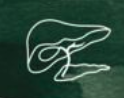
Therapeutic EUS may be used to achieve internal biliary drainage in selected patients when conventional ERCP is unsuccessful or unsuitable. Depending on the anatomy and indication, approaches include EUS-guided choledochoduodenostomy or hepaticogastrostomy. EUS-guided gallbladder drainage is an option for carefully selected patients with acute cholecystitis who are unsuitable for surgery, following multidisciplinary assessment. These interventions carry risks including bleeding, infection, bile leakage, perforation and stent-related complications and are not routine first-line procedures for all patients.
This information is educational and does not replace individual medical assessment. Diagnosis and treatment recommendations depend on the patient, imaging, pathology, disease stage and multidisciplinary assessment.